

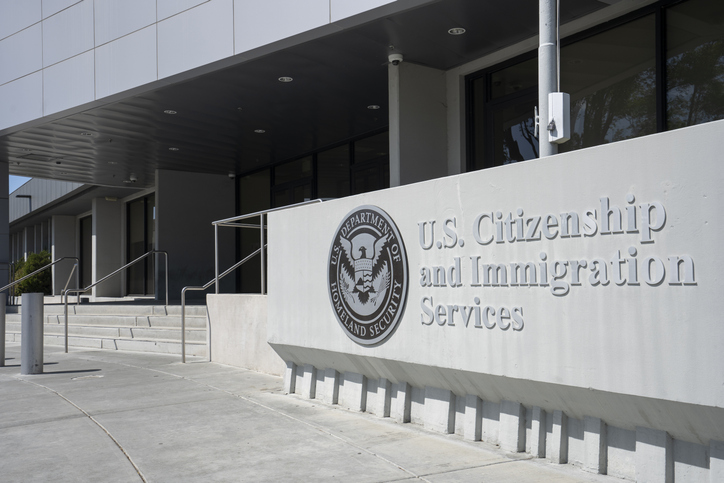
In May 2026, USCIS announced a major policy change stating that Adjustment of Status (AOS) will only be granted in "extraordinary circumstances." The announcement immediately raised concerns among immigrants pursuing green cards from within the United States, particularly those with pending or future adjustment applications.
One question quickly emerged:
Will I now have to leave the United States to get my green card?
Just as importantly, many individuals are wondering:
Can I still safely file for adjustment of status?
While the policy has created uncertainty, the answer to both questions is more nuanced than many headlines suggest.
What Did USCIS Announce?
USCIS issued guidance emphasizing that adjustment of status is a discretionary benefit rather than an automatic right. The agency stated that consular processing abroad should generally be considered the standard path to obtaining permanent residence, while adjustment of status should be reserved for extraordinary situations.
For decades, adjustment of status has allowed eligible immigrants to complete the green card process without leaving the United States. Because of its widespread use, the announcement caused significant concern among applicants, employers, and immigration attorneys.
Did DHS Clarify the Policy?
Yes.
Following widespread confusion, the Department of Homeland Security (DHS) clarified that the policy does not mean most green card applicants will be required to leave the United States.
According to DHS, adjustment of status remains available to eligible applicants, and the announcement should not be interpreted as an automatic requirement to pursue consular processing abroad.
However, DHS did not eliminate the new discretionary review process. USCIS officers are still expected to evaluate whether an applicant's circumstances warrant approval of adjustment of status from within the United States.
Will I Need to Leave the United States?
For many applicants, the answer may still be no.
Adjustment of status has not been eliminated, and USCIS continues to accept and process Form I-485 applications. However, officers may now place greater emphasis on discretionary factors when determining whether adjustment should be granted.
Factors that could influence an officer's decision may include:
Immigration history
Compliance with visa requirements
Family ties in the United States
Economic contributions
Humanitarian considerations
Criminal history, if any
Other positive or negative discretionary factors
Because USCIS has not released detailed criteria for what constitutes "extraordinary circumstances," significant uncertainty remains regarding how the policy will be applied in practice.
What Happens If Consular Processing Is Required?
If USCIS determines that adjustment of status is not appropriate, some applicants may be required to complete their immigrant visa processing at a U.S. embassy or consulate abroad.
For some individuals, this may be relatively straightforward. For others, leaving the United States could present serious concerns, including:
Family separation
Employment disruption
Lengthy processing delays
Travel complications
Potential inadmissibility issues triggered by departure
For this reason, applicants should avoid making assumptions about their options and seek legal guidance before making travel plans.
Who Can Still Safely File for Adjustment of Status?
The good news is that adjustment of status remains available.
Many applicants may continue to have strong cases under the new framework, particularly when they can demonstrate significant positive factors supporting their application.
Employment-Based Applicants
Individuals pursuing employment-based green cards may continue to have compelling reasons to seek adjustment of status. This is especially true for workers in dual-intent visa categories such as:
H-1B professionals
L-1 intracompany transferees
These visa categories have long recognized the possibility of pursuing permanent residence while maintaining temporary status.
Individuals With Strong Family Ties
Applicants with U.S. citizen or lawful permanent resident family members may have strong equities supporting adjustment of status.
USCIS may consider the hardship that family members could experience if the applicant were required to leave the United States and complete processing abroad.
Investors, Entrepreneurs, and Highly Skilled Professionals
Individuals who contribute significantly to the U.S. economy may also present favorable discretionary factors.
This may include:
Business owners
Investors
Researchers
Physicians and healthcare workers
Technology professionals
Individuals working in critical industries
Humanitarian and Special Circumstances Cases
Certain applicants may be able to demonstrate compelling humanitarian factors that support remaining in the United States during the green card process.
Every case is unique, and the strength of these factors will depend on the applicant's individual circumstances.
Who May Face Greater Scrutiny?
Some applicants may encounter additional challenges under the new policy.
Potential areas of concern could include:
Immigration status violations
Unauthorized employment
Prior immigration violations
Certain criminal issues
Negative discretionary factors
Importantly, USCIS has not stated that these issues automatically prevent adjustment of status. Rather, they may receive closer review as part of the discretionary analysis.
Why Case Preparation Is More Important Than Ever
Although adjustment of status remains available, applicants should expect officers to take a closer look at the overall merits of each case.
Strong applications may benefit from evidence demonstrating:
Compliance with immigration laws
Stable employment history
Family ties in the United States
Community involvement
Economic contributions
Humanitarian considerations
Given the evolving nature of the policy, thorough preparation and strategic legal guidance may be more important than ever.
Speak With an Experienced San Diego Immigration Attorney
The recent USCIS announcement has created uncertainty for many immigrants pursuing permanent residence. While adjustment of status remains available, applicants should carefully evaluate how the new policy could affect their case.
At San Diego Immigration Law Office, we stay on top of the latest immigration developments and help clients determine the most effective path toward a green card. Whether you are preparing to file Form I-485, have a pending adjustment application, or are concerned about the possibility of consular processing, our team can help you understand your options.
Contact San Diego Immigration Law Office today to schedule a consultation and discuss your path to permanent residence in the United States.